





Transparency
Honest about price, process and result
Technology
Fundamental approach to apply tech knowledge
Successful
Start with deep understanding of the business problem first
Quality first
We like to be proud of what we have delivered

Server side development
Server development or backend development is the backbone of any digital application, responsible for managing and storing data, ensuring smooth functionality, and powering the user experience behind the scenes. It involves building robust, scalable systems that can handle complex data processing and integration with external services or APIs. Strong backend development ensures that applications run securely, efficiently, and can scale as your business grows.
- Java, Python, Node, .NET, Go
- AWS, Google Cloud, Azure, On-premises
- PosgreSQL, MySQL, MongoDB, DocumentDB, Casandra, ElasticSearch etc..

Client side or mobile development
Client-side development focuses on the user-facing part of a website or app, ensuring an intuitive and engaging experience by creating dynamic, responsive interfaces that interact seamlessly with the backend. It involves using technologies like HTML, CSS, JavaScript, and frameworks such as React or Angular to build fast, interactive, and user-friendly web applications. On the mobile development side, we create native or cross-platform applications tailored for iOS and Android, offering optimized performance and smooth user interactions on smartphones and tablets. Whether it’s building mobile-first designs or integrating push notifications and geolocation features, mobile development ensures your product is always at your customers’ fingertips. The goal is to deliver a seamless and intuitive experience across all devices, ensuring users stay connected and engaged with your brand anytime, anywhere.
- Android
- iOS
- Web: ReactJS, Node, Angular, Type Script, Java Script, Vue, etc..
Software architecture and design
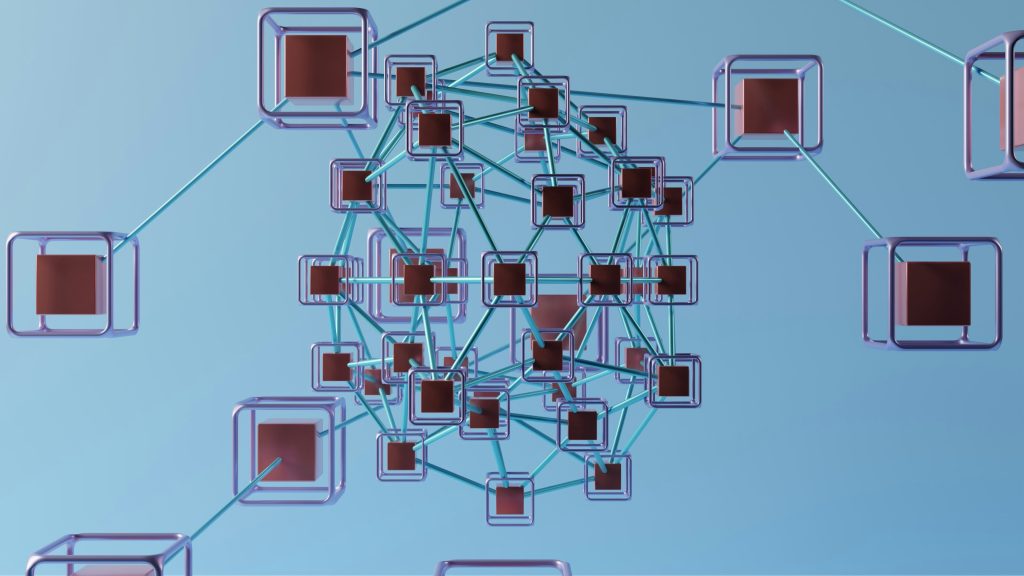
Software architecture refers to the high-level structure of a software system, defining how its components interact, scale, and function together to meet the project’s goals. It involves selecting the right technologies, frameworks, and patterns to ensure the system is efficient, maintainable, and scalable over time. A well-designed software architecture lays the foundation for smooth development, effective troubleshooting, and future updates. It also prioritizes security, ensuring that vulnerabilities are minimized and sensitive data is protected. Ultimately, software architecture provides a blueprint that guides development teams and ensures the system can evolve with changing business needs and technology advancements.
- Security, GDPR protection
- Compliance, legal and accessibility
- Performance, scaleability, resilience
Business analyses and project management
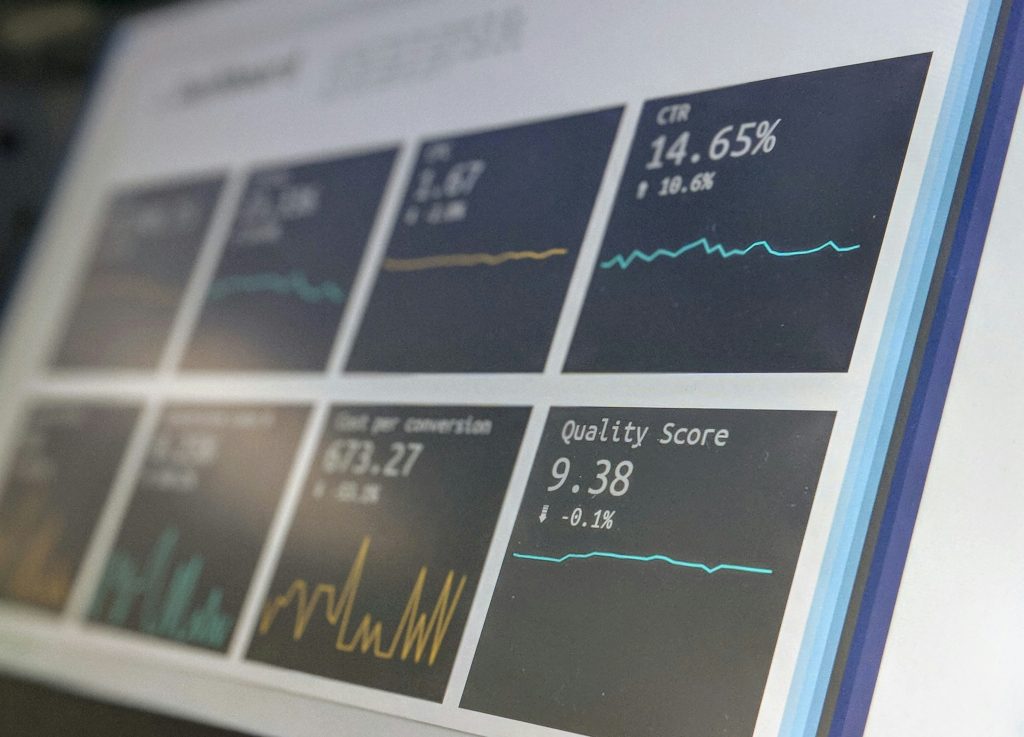
Business analysis is the process of understanding and defining a company’s needs, challenges, and opportunities to ensure that technology solutions align with strategic goals and drive business value. It involves gathering and documenting requirements, analyzing workflows, and providing insights that inform decision-making and improve operational efficiency. Project management, on the other hand, focuses on organizing, planning, and executing projects within scope, time, and budget constraints, ensuring that deliverables are met on schedule. By combining business analysis and project management, organizations can ensure that projects are not only completed successfully but also deliver measurable results that support long-term business growth.
- Planing and analyses of the problem
- Project management
- Roadmap planing